


Buffalo's location on Lake Erie creates a perfect storm for water damage. Lake effect snow dumps 95 inches annually on the metro area, and when spring arrives, rapid snowmelt overwhelms aging sewer systems and foundation drainage. The freeze-thaw cycle cracks foundation walls in neighborhoods like Elmwood Village and North Buffalo, where homes built before 1950 have stone foundations vulnerable to water seepage.
Heavy rainfall events have increased 73% in Western New York since 1980, according to NOAA data. During summer storms, 2 to 4 inches can fall in hours, backing up storm drains along Delaware Avenue and flooding basements in lower lying areas near Scajaquada Creek. High humidity from the lake keeps moisture levels elevated, creating ideal conditions for mold growth if water damage goes untreated for more than 48 hours.
Buffalo's high water table compounds these issues. Properties in Riverside, Black Rock, and parts of South Buffalo sit just feet above the water table, making basement flooding a recurring problem. Older neighborhoods feature combined sewer systems that overflow during heavy rain, pushing sewage and stormwater into homes. These regional factors make professional water damage restoration critical for protecting property value and preventing long-term structural deterioration.
We built our reputation on being the first truck on scene when Buffalo homeowners face water emergencies. Our dispatch center operates around the clock, and we guarantee response within 60 minutes anywhere in Erie County because we know every minute water sits causes exponentially more damage to your floors, walls, and belongings.
Our technicians carry IICRC certifications in water damage restoration and applied structural drying, meaning they follow science-based protocols for calculating moisture load, placing equipment, and tracking drying progress with thermal imaging and moisture meters. We document everything in real time for insurance companies, taking the burden off you during a stressful situation. Most carriers pre-approve our estimates because our documentation meets industry standards for proof of loss.
What separates us from national franchises is our knowledge of Buffalo construction. We understand balloon framing in Allentown Victorians creates different drying challenges than the brick bungalows in Kaisertown. We know which neighborhoods have clay soil that holds water against foundations and which areas have high water tables requiring sump pump systems. This local expertise means we identify hidden moisture pockets others miss.
We work directly with your insurance company from first contact through final invoice. Our crews extract standing water, remove damaged materials, set up commercial dehumidifiers and air movers, treat for microbial growth, and monitor daily until moisture levels return to normal. You get one point of contact who explains every step and fights for full coverage of restoration costs. We handle the disaster so you can focus on getting your life back to normal.

Our trucks roll within one hour of your call, 24 hours a day, 365 days a year. We stage equipment across Erie County to reach Cheektowaga, Tonawanda, and West Seneca fast. When water is actively damaging your property, minutes determine whether you face a cleanup or a complete renovation.

We communicate directly with your insurance adjuster and submit detailed documentation they require for claim approval. Our estimates follow Xactimate pricing used by major carriers. Most claims get approved without dispute because our scope of work matches industry standards for water damage mitigation.
Every crew member holds Institute of Inspection Cleaning and Restoration Certification in water damage restoration and applied structural drying. We follow ANSI/IICRC S500 standards for water intrusion assessment, categorization, and restoration. Our training ensures we extract water, dry structures, and prevent mold using proven protocols.
We understand how water moves through Buffalo's older housing stock. Stone foundations absorb moisture differently than poured concrete. Balloon framing allows water to travel between floors. Plaster and lath require different drying approaches than drywall. Our local experience means we identify all affected areas and prevent secondary damage.
Water emergencies come in many forms, and each requires a specific response protocol. A burst pipe flooding your finished basement demands different equipment and techniques than sewage backing up through floor drains or ice dams causing attic leaks. We provide comprehensive water damage remediation services for every scenario Buffalo properties face.
Our service categories address the complete spectrum of water intrusion events. Emergency water removal stops active flooding and prevents further damage. Structural drying services use industrial dehumidifiers and air movers to eliminate moisture from building materials. Complete restoration rebuilds what water destroyed, returning your property to pre-loss condition.
Each service follows a systematic approach. We assess moisture extent with thermal imaging, categorize water contamination level, calculate the volume of affected materials, place equipment based on psychrometric calculations, and monitor daily until we achieve industry-standard drying goals. Our technicians adjust equipment placement as conditions change, ensuring efficient drying without wasting energy or extending timelines. This methodical process protects your property value and prevents the mold growth that follows incomplete water damage cleanup.
When water floods your property, immediate extraction prevents catastrophic damage. Our trucks carry truck-mounted extractors that remove thousands of gallons per hour from basements, crawl spaces, and living areas. We use weighted extraction wands for carpets, squeegees for hard surfaces, and submersible pumps for deep standing water. Our crews work continuously until all extractable water is gone, then begin moisture mapping to identify water that wicked into walls, insulation, and subflooring. Speed here determines whether you face a cleanup bill or a reconstruction project.
After extraction, moisture remains trapped in building materials. We deploy commercial dehumidifiers and air movers strategically placed based on moisture meter readings and thermal imaging. Our equipment creates ideal drying conditions by controlling temperature, humidity, and airflow. We remove baseboards to dry wall cavities, drill weep holes in tile surrounds, and create containment chambers for focused drying. Technicians monitor daily with moisture meters, adjusting equipment until all materials reach appropriate moisture content. This prevents mold, warping, and structural damage that follows incomplete drying.
Once structures are dry, we rebuild what water destroyed. Our restoration crews handle everything from replacing drywall and flooring to reconstructing framing damaged by prolonged moisture exposure. We match existing finishes, install new flooring, repaint, and coordinate with electricians and plumbers for systems damaged by water. You work with one company from the moment water invades through final walkthrough. We manage the entire project, communicate with your insurance adjuster, and deliver a restored space that looks like the water event never happened.
Buffalo's climate and aging infrastructure create constant water intrusion risks. Lake effect snow buries the metro area under feet of accumulation each winter. When temperatures swing above freezing, rapid snowmelt overwhelms gutters and foundation drainage systems. Spring brings heavy rainfall that backs up combined sewer systems in older neighborhoods. Summer humidity from Lake Erie keeps basements damp, and fall freezes crack pipes in unheated spaces.
The city's housing stock compounds these challenges. Most Buffalo homes were built between 1900 and 1960 with construction methods that trap moisture. Stone foundations absorb groundwater like sponges. Cast iron drain pipes corrode and fail after decades of use. Knob and tube wiring creates fire risks when water floods electrical systems. These factors make professional water damage cleanup essential rather than optional.
Property owners across Erie County face distinct water threats based on location. Low lying areas near Scajaquada Creek and the Buffalo River flood during heavy rain. Neighborhoods with high water tables experience chronic basement seepage. Older commercial districts deal with roof leaks from flat membrane roofs damaged by freeze-thaw cycles. Recognizing these patterns helps us respond with the right equipment and expertise for your specific situation.
Combined sewer systems in Buffalo overflow during heavy rain, pushing sewage and stormwater through floor drains into basements. This Category 3 contamination requires professional cleanup with antimicrobial treatments and removal of porous materials that absorbed sewage. Standard homeowner policies often exclude sewer backup damage unless you purchased additional coverage. We document contamination levels and coordinate with your carrier to maximize approved restoration costs.
Heavy snow loads create ice dams along roof edges that force melt water under shingles. Water runs down inside exterior walls, soaking insulation and creating stains on ceilings. By the time you notice water damage, moisture has saturated wall cavities and attic insulation. We use thermal imaging to map hidden moisture, remove wet insulation, dry framing, and treat for mold before water sits long enough to rot structural lumber.
Buffalo's temperature swings freeze water in pipes, and expanding ice splits copper and galvanized lines. When temperatures rise, pressurized water floods walls, ceilings, and finished spaces. Pipe bursts often happen overnight or while homeowners are away, allowing thousands of gallons to cause severe damage before discovery. Immediate water extraction and cavity drying prevent mold and structural deterioration that follows prolonged moisture exposure in building materials.
Buffalo's freeze-thaw cycle cracks foundation walls, and clay soil holds water against compromised concrete. Hydrostatic pressure forces groundwater through cracks, creating chronic dampness that feeds mold growth. Stone foundations in older neighborhoods absorb moisture directly through porous masonry. We extract standing water, dry affected areas, apply antimicrobial treatments, and recommend permanent waterproofing solutions to prevent recurring damage after storms and snowmelt events.
Water damage creates panic. Your belongings are soaking, water is spreading, and you need help immediately. When you call our emergency line, you reach a live person who dispatches a crew while gathering information about your situation. We ask about water source, affected areas, and safety concerns like electrical hazards or structural instability.
Our technician calls you within minutes with an estimated arrival time. Most Buffalo locations get service within 60 minutes. When our crew arrives, they assess damage extent with moisture meters and thermal imaging, explain the restoration process, and begin water extraction immediately. You approve a scope of work before any billable services begin beyond emergency mitigation.
Throughout the project, you work with one dedicated project manager who updates you daily, coordinates with your insurance adjuster, and answers questions about timeline and costs. We provide detailed documentation with photos, moisture readings, and equipment logs that insurance companies require for claim approval. Our goal is removing the burden of managing this disaster so you can focus on your family and getting back to normal. Transparency and communication define how we operate from first contact through final invoice.
You get a live person on the phone 24 hours a day who dispatches a crew immediately. We ask targeted questions about water source, affected areas, and safety hazards. Our technician calls with arrival time, usually within 60 minutes for most Buffalo locations. Upon arrival, we assess damage extent with thermal imaging and moisture meters, identify safety hazards, and explain the restoration process. We begin water extraction right away to stop damage progression while you review and approve our scope of work.
One project manager handles your entire restoration from start to finish. We document everything with photos, moisture readings, and detailed notes that insurance adjusters need for claim approval. You receive daily updates on drying progress and timeline adjustments. We submit estimates directly to your carrier using Xactimate software that matches their pricing database. Most claims get approved without dispute because our documentation follows industry standards. We fight for full coverage of legitimate restoration costs.
We stay on site until moisture levels return to normal using daily monitoring with calibrated meters. Once drying is complete, our reconstruction crews rebuild damaged areas using quality materials that match existing finishes. We coordinate all trades including electricians and plumbers for systems damaged by water. You get one invoice, one point of contact, and one company responsible for results. We stand behind our work with guarantees on both drying effectiveness and reconstruction quality.
Every water emergency follows the same systematic approach. We stop water intrusion, extract standing water, dry affected structures, treat for contamination, and restore damaged areas. This process follows IICRC S500 standards for water damage restoration.
Call our 24-hour emergency line at (716) 317-7717. Our dispatcher collects critical information about your water emergency including source, affected areas, and immediate safety concerns. We deploy the nearest crew with appropriate equipment for your situation. Most Buffalo locations receive service within 60 minutes. Our technician calls with arrival time and answers immediate questions. Upon arrival, we assess damage extent with moisture detection equipment, identify safety hazards, explain the restoration process, and begin emergency water extraction to stop damage progression.
Truck-mounted extractors remove standing water from all affected areas. We map moisture extent using thermal imaging and penetrating moisture meters to identify water in walls, floors, and ceilings. Industrial dehumidifiers and air movers get positioned based on psychrometric calculations for optimal drying conditions. We remove baseboards, drill weep holes, and create containment areas to focus drying power. Technicians return daily to record moisture levels, adjust equipment placement, and track drying progress until all materials reach appropriate moisture content for your region.
Once structures are completely dry, our reconstruction crews rebuild what water damaged. We replace drywall, install new flooring, repaint, and coordinate with electricians and plumbers for damaged systems. Our crews match existing finishes so restored areas blend seamlessly with undamaged spaces. We conduct a final walkthrough to ensure you are satisfied with all work. You receive documentation including final moisture readings, photos of completed work, and warranties on restoration services. We submit final invoicing to your insurance carrier with supporting documentation for claim closure.
Professional water damage restoration follows scientific principles and industry standards established by the Institute of Inspection Cleaning and Restoration Certification. The ANSI/IICRC S500 Standard and Reference Guide for Professional Water Damage Restoration defines protocols for assessment, categorization, and restoration based on water contamination level and affected materials.
Water damage gets classified into three categories. Category 1 is clean water from supply lines or rainwater that has not contacted contaminated surfaces. Category 2 is grey water containing chemical, biological, or physical contamination like washing machine overflows or toilet bowls without feces. Category 3 is black water grossly contaminated with sewage, flooding from rivers or streams, or any water that has sat stagnant long enough to support microbial growth. Each category requires specific handling protocols and personal protective equipment.
Restoration also depends on material classification. Class 1 affects only part of a room with minimal moisture absorption in materials. Class 2 involves an entire room with significant moisture wicking up walls. Class 3 means water came from overhead saturating walls, ceilings, insulation, and subflooring. Class 4 involves specialty drying situations for materials with low permeance like hardwood, plaster, or concrete. We calculate these factors to determine equipment needs and establish realistic drying timelines.
Buffalo's climate affects drying calculations. We measure ambient temperature, relative humidity, and material moisture content using calibrated hygrometers and moisture meters. Our dehumidifiers and air movers create specific atmospheric conditions that pull moisture from building materials into the air where dehumidifiers capture it. We track daily progress using industry-standard psychrometric calculations, adjusting equipment as materials dry to maintain optimal conditions. This scientific approach ensures complete drying without wasting time or energy.
Insurance claims require documentation that proves loss extent and restoration necessity. We photograph all damage before beginning work, maintain daily logs of moisture readings and equipment placement, and provide detailed scopes of work that justify each line item. Most carriers accept our estimates without dispute because we follow Xactimate pricing and IICRC restoration standards their adjusters recognize as legitimate.
The ANSI/IICRC S500 Standard guides professional water damage restoration with protocols for assessment, categorization by contamination level, material classification by moisture absorption, and drying techniques based on building science. Following these standards ensures complete moisture elimination, prevents mold growth, and provides documentation insurance carriers accept for claim approval. All our technicians hold IICRC certifications in water damage restoration and applied structural drying.
Restoration costs depend on water volume, contamination category, affected materials, and drying difficulty. Sewage backups cost more than clean water because they require antimicrobial treatments and disposal of contaminated materials. Class 4 specialty drying for hardwood or plaster costs more than drying carpet and drywall. Equipment rental, labor, disposal fees, and reconstruction materials all factor into final costs. Most homeowner policies cover sudden water damage minus your deductible.
Complete structural drying takes three to seven days depending on water volume, humidity levels, temperature, airflow, and material density. We cannot rush physics. Hardwood flooring, plaster walls, and concrete foundations dry slower than carpet and drywall. Winter drying takes longer because cold temperatures reduce evaporation rates. We monitor daily with moisture meters until all materials reach appropriate levels for Buffalo's climate. Attempting to speed the process causes incomplete drying and mold growth.
New York Insurance Law Section 3404 requires carriers to acknowledge claims within 15 business days and accept or deny within 30 days of receiving proof of loss. Homeowner policies typically cover sudden water damage from burst pipes, storm damage, and appliance failures but exclude flooding, sewer backups without additional coverage, and gradual damage from maintenance neglect. We document everything to support your claim and ensure carriers fulfill their obligation to pay for covered losses.
Professional water damage restoration services in Buffalo, New York. This video explains emergency water extraction, structural drying, and complete restoration services for Buffalo properties affected by burst pipes, basement flooding, sewage backups, and storm damage. Learn about IICRC restoration standards, insurance claim processes, and why Buffalo's climate creates unique water damage challenges. Alpha Water Damage Restoration Buffalo provides 24-hour emergency response with certified technicians serving all of Erie County.
Alpha Water Damage Restoration Buffalo serves the entire Western New York region from our strategically located facilities across Erie County. We maintain rapid response capabilities to reach Elmwood Village, North Buffalo, South Buffalo, Black Rock, Riverside, Kaisertown, and every neighborhood between. Our crews know Buffalo's geography, construction patterns, and water intrusion risks specific to each area.
Elmwood Village and the Allentown district feature Victorian and early 20th century homes with balloon framing that allows water to travel between floors through wall cavities. Stone foundations in these neighborhoods absorb groundwater during spring snowmelt. We respond quickly to these areas knowing water spreads fast in older construction. North Buffalo and Hertel Avenue properties face similar challenges with aging plumbing, deteriorating cast iron drains, and ice dam issues from steep roof pitches common in that era.
The waterfront neighborhoods of Black Rock and Riverside sit close to the Niagara River and Lake Erie, creating high water table conditions that make basement flooding common during heavy rain. Sump pump failures here cause immediate flooding because groundwater sits just feet below basement floors. We stage backup generators and pumps specifically for these flood-prone areas where power outages during storms create cascading water damage problems.
South Buffalo and the neighborhoods surrounding McKinley Parkway feature brick bungalows and cape cod homes built between 1920 and 1950. Many properties in this area have combination sewer systems that back up during intense rainfall, sending sewage into basements through floor drains. We respond to these Category 3 water damage events with full protective equipment and antimicrobial treatments required for sewage contamination.
West Seneca, Cheektowaga, Tonawanda, and Amherst get the same rapid response as city neighborhoods. Suburban properties face unique water damage risks from sump pump failures, washing machine hose bursts, and frozen pipes in attached garages. Commercial properties along Delaware Avenue, Main Street, and Niagara Falls Boulevard also get 24-hour emergency service for water damage affecting retail spaces, offices, and industrial facilities.
We serve every zip code in Erie County including 14201, 14202, 14203, 14204, 14206, 14207, 14208, 14209, 14210, 14211, 14212, 14213, 14214, 14215, 14216, 14217, 14218, 14219, 14220, 14221, 14222, 14223, 14224, 14225, 14226, and 14227. No matter where your property is located in the Buffalo metro area, we dispatch trained technicians with professional extraction equipment and industrial drying systems within 60 minutes of your call. Our local presence means faster response times than national franchises dispatching from regional centers. We live and work in these communities, and we understand the water damage challenges Buffalo properties face year-round.
Water damage restoration in Buffalo homes takes 3 to 7 days on average. Small incidents like a burst pipe affecting one room take 3 to 4 days. Larger flooding events affecting multiple floors take 5 to 7 days or more. The timeline depends on water category, affected area size, and material damage extent. Extraction and drying take 2 to 4 days. Cleaning and sanitizing add 1 to 2 days. Repairs and reconstruction extend the timeline further. Severe cases with structural damage need several weeks to complete.
Water damage restoration expenses in Buffalo vary based on damage severity and affected area. Small incidents affecting one room run less than major flooding. The total depends on water category, extraction needs, drying time, and repair extent. Clean water damage from supply lines costs less than contaminated water from sewage backups. Basement flooding restoration differs from upper-floor damage. Your restoration company provides a detailed estimate after inspection. Many offer free assessments. Get multiple quotes to compare. Most work directly with your insurance company to streamline the process.
Most Buffalo homeowner policies cover sudden and accidental water damage. Burst pipes, appliance malfunctions, and roof leaks from storms qualify for coverage. Policies exclude gradual damage from poor maintenance or flooding from outside sources. Standard policies require separate flood insurance for natural flood events. Review your policy declarations page for specific coverage details. File your claim immediately after discovering damage. Document everything with photos and videos. Your restoration company helps navigate the claims process and works directly with adjusters. Keep all receipts and communication records.
Water damage restoration in Buffalo homes takes 3 to 7 days on average. Small incidents like a burst pipe affecting one room take 3 to 4 days. Larger flooding events affecting multiple floors take 5 to 7 days or more. The timeline depends on water category, affected area size, and material damage extent. Extraction and drying take 2 to 4 days. Cleaning and sanitizing add 1 to 2 days. Repairs and reconstruction extend the timeline further. Severe cases with structural damage need several weeks to complete.
Water damage restoration expenses in Buffalo vary based on damage severity and affected area. Small incidents affecting one room run less than major flooding. The total depends on water category, extraction needs, drying time, and repair extent. Clean water damage from supply lines costs less than contaminated water from sewage backups. Basement flooding restoration differs from upper-floor damage. Your restoration company provides a detailed estimate after inspection. Many offer free assessments. Get multiple quotes to compare. Most work directly with your insurance company to streamline the process.
Most Buffalo homeowner policies cover sudden and accidental water damage. Burst pipes, appliance malfunctions, and roof leaks from storms qualify for coverage. Policies exclude gradual damage from poor maintenance or flooding from outside sources. Standard policies require separate flood insurance for natural flood events. Review your policy declarations page for specific coverage details. File your claim immediately after discovering damage. Document everything with photos and videos. Your restoration company helps navigate the claims process and works directly with adjusters. Keep all receipts and communication records.
Choose a Buffalo water damage company with IICRC certification and local emergency availability. Verify they respond 24/7 for emergencies. Check online reviews on Google and Better Business Bureau. Ask about their water extraction equipment and drying technology. Request references from recent Buffalo customers. Confirm they handle insurance claims directly. Look for companies with experience in Buffalo winter damage scenarios. Get written estimates before work begins. Avoid companies demanding full payment upfront. Local companies understand Buffalo building structures and weather patterns better than national franchises.
You might stay home during minor water damage restoration affecting one room. Major incidents requiring extensive drying equipment make staying difficult. Loud industrial fans and dehumidifiers run 24/7 for days. Restoration teams need full access to affected areas. Your company removes furniture and belongings for proper drying. Safety concerns arise with category 2 or 3 water containing contaminants. Mold growth makes air quality poor. Most Buffalo families relocate temporarily for whole-house projects. Your insurance policy includes additional living expenses for temporary housing during major restoration work.
Buffalo basements flood in winter from several sources. Frozen exterior pipes burst when temperatures drop below freezing. Ice dams form on roofs and force water under shingles into walls. Snow accumulation against foundation walls melts during warm spells and seeps through cracks. Sump pump failures during power outages allow groundwater to flood basements. Inadequate insulation lets pipes in unheated spaces freeze and rupture. Poor drainage around foundations directs snowmelt toward basement walls. Window wells fill with snow and ice, creating entry points for water during thaws.
Call for water damage restoration within 24 hours of discovering damage. Water spreads quickly through building materials. Mold begins growing within 24 to 48 hours in damp conditions. Immediate response limits damage spread and reduces restoration expenses. Buffalo winters make quick action critical as freezing temperatures complicate repairs. Standing water damages flooring, walls, and belongings every hour it remains. Delayed response leads to structural problems and mold contamination. Most Buffalo restoration companies offer 24/7 emergency services. Fast response improves your chances for full insurance coverage and successful restoration outcomes.
Buffalo restoration companies use industrial water extractors to remove standing water quickly. Truck-mounted pumps handle large volumes from basement flooding. Air movers and high-velocity fans circulate air to speed evaporation. Commercial dehumidifiers pull moisture from air and materials. Moisture meters measure water content in walls, floors, and ceilings. Thermal imaging cameras detect hidden moisture behind surfaces. Air scrubbers filter contaminated air during cleanup. Hygrometers monitor humidity levels throughout drying. Professionals use antimicrobial treatments to prevent mold growth. Advanced equipment completes jobs faster than consumer-grade tools available at hardware stores.
Buffalo restoration companies prevent mold by removing water within 24 hours. Teams extract standing water immediately with industrial pumps. Commercial dehumidifiers reduce humidity below 50 percent to stop mold growth. Air movers dry materials within 3 to 5 days before mold establishes. Technicians apply antimicrobial treatments to affected surfaces. They remove porous materials like drywall and insulation if saturated beyond saving. Air scrubbers with HEPA filters clean airborne spores. Daily moisture readings track drying progress. Complete drying prevents mold from gaining a foothold. Speed matters most in mold prevention.
Buffalo water damage companies specialize in frozen pipe damage restoration. Winter pipe bursts are common in Buffalo homes. Teams shut off water supplies to stop flooding. They extract water from affected areas immediately. Technicians assess pipe damage and coordinate plumbing repairs. They dry structures before freezing temperatures return. Companies understand Buffalo building codes and weather challenges. They work with insurance adjusters familiar with freeze damage claims. Many offer emergency services 24/7 during Buffalo winter months. Experienced teams handle both immediate water removal and long-term repairs from freeze events.
Choose a Buffalo water damage company with IICRC certification and local emergency availability. Verify they respond 24/7 for emergencies. Check online reviews on Google and Better Business Bureau. Ask about their water extraction equipment and drying technology. Request references from recent Buffalo customers. Confirm they handle insurance claims directly. Look for companies with experience in Buffalo winter damage scenarios. Get written estimates before work begins. Avoid companies demanding full payment upfront. Local companies understand Buffalo building structures and weather patterns better than national franchises.
You might stay home during minor water damage restoration affecting one room. Major incidents requiring extensive drying equipment make staying difficult. Loud industrial fans and dehumidifiers run 24/7 for days. Restoration teams need full access to affected areas. Your company removes furniture and belongings for proper drying. Safety concerns arise with category 2 or 3 water containing contaminants. Mold growth makes air quality poor. Most Buffalo families relocate temporarily for whole-house projects. Your insurance policy includes additional living expenses for temporary housing during major restoration work.
Buffalo basements flood in winter from several sources. Frozen exterior pipes burst when temperatures drop below freezing. Ice dams form on roofs and force water under shingles into walls. Snow accumulation against foundation walls melts during warm spells and seeps through cracks. Sump pump failures during power outages allow groundwater to flood basements. Inadequate insulation lets pipes in unheated spaces freeze and rupture. Poor drainage around foundations directs snowmelt toward basement walls. Window wells fill with snow and ice, creating entry points for water during thaws.
Call for water damage restoration within 24 hours of discovering damage. Water spreads quickly through building materials. Mold begins growing within 24 to 48 hours in damp conditions. Immediate response limits damage spread and reduces restoration expenses. Buffalo winters make quick action critical as freezing temperatures complicate repairs. Standing water damages flooring, walls, and belongings every hour it remains. Delayed response leads to structural problems and mold contamination. Most Buffalo restoration companies offer 24/7 emergency services. Fast response improves your chances for full insurance coverage and successful restoration outcomes.
Buffalo restoration companies use industrial water extractors to remove standing water quickly. Truck-mounted pumps handle large volumes from basement flooding. Air movers and high-velocity fans circulate air to speed evaporation. Commercial dehumidifiers pull moisture from air and materials. Moisture meters measure water content in walls, floors, and ceilings. Thermal imaging cameras detect hidden moisture behind surfaces. Air scrubbers filter contaminated air during cleanup. Hygrometers monitor humidity levels throughout drying. Professionals use antimicrobial treatments to prevent mold growth. Advanced equipment completes jobs faster than consumer-grade tools available at hardware stores.
Buffalo restoration companies prevent mold by removing water within 24 hours. Teams extract standing water immediately with industrial pumps. Commercial dehumidifiers reduce humidity below 50 percent to stop mold growth. Air movers dry materials within 3 to 5 days before mold establishes. Technicians apply antimicrobial treatments to affected surfaces. They remove porous materials like drywall and insulation if saturated beyond saving. Air scrubbers with HEPA filters clean airborne spores. Daily moisture readings track drying progress. Complete drying prevents mold from gaining a foothold. Speed matters most in mold prevention.
Buffalo water damage companies specialize in frozen pipe damage restoration. Winter pipe bursts are common in Buffalo homes. Teams shut off water supplies to stop flooding. They extract water from affected areas immediately. Technicians assess pipe damage and coordinate plumbing repairs. They dry structures before freezing temperatures return. Companies understand Buffalo building codes and weather challenges. They work with insurance adjusters familiar with freeze damage claims. Many offer emergency services 24/7 during Buffalo winter months. Experienced teams handle both immediate water removal and long-term repairs from freeze events.
Although we offer rapid mobile service across the entire Buffalo area and surrounding regions, we invite you to view our service area map to confirm our commitment to your community. We are always ready to deploy our expert teams directly to your residential or commercial property, ensuring the fastest possible response time when you need water damage restoration most, right where you are.
Address:
Buffalo, NY, 14202
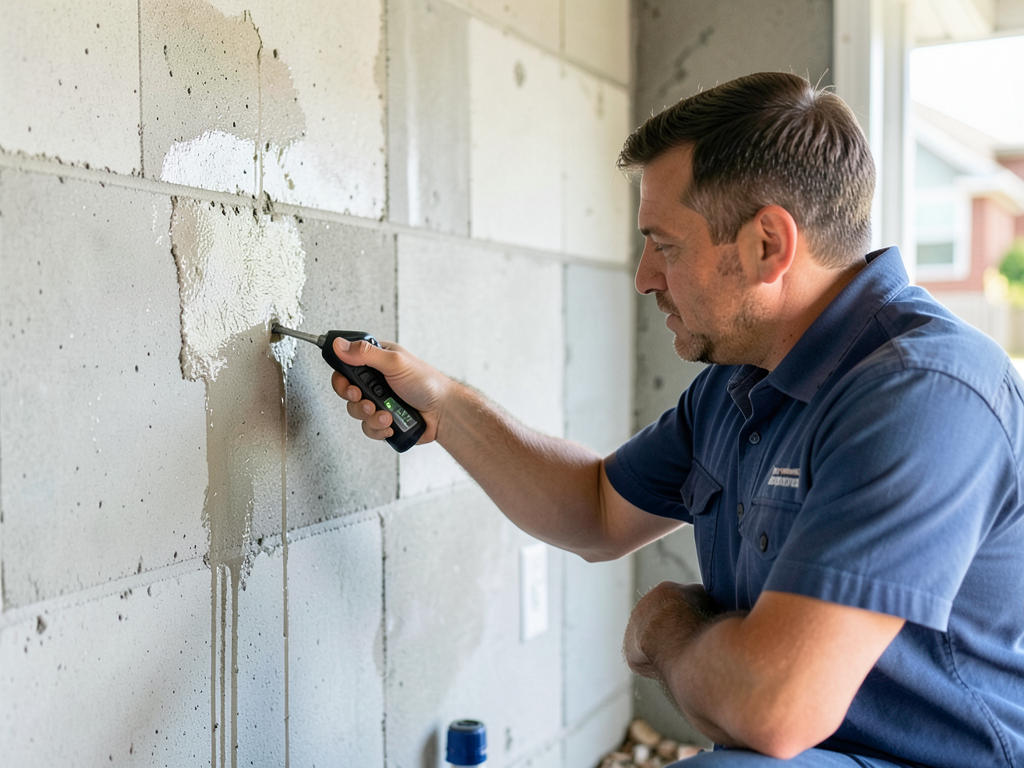
Managing Basement Moisture During the Humid Dog Days of a Buffalo Summer Your basement smells musty. The walls feel damp. You notice condensation on the windows even though it hasn’t rained in days. Buffalo summers…
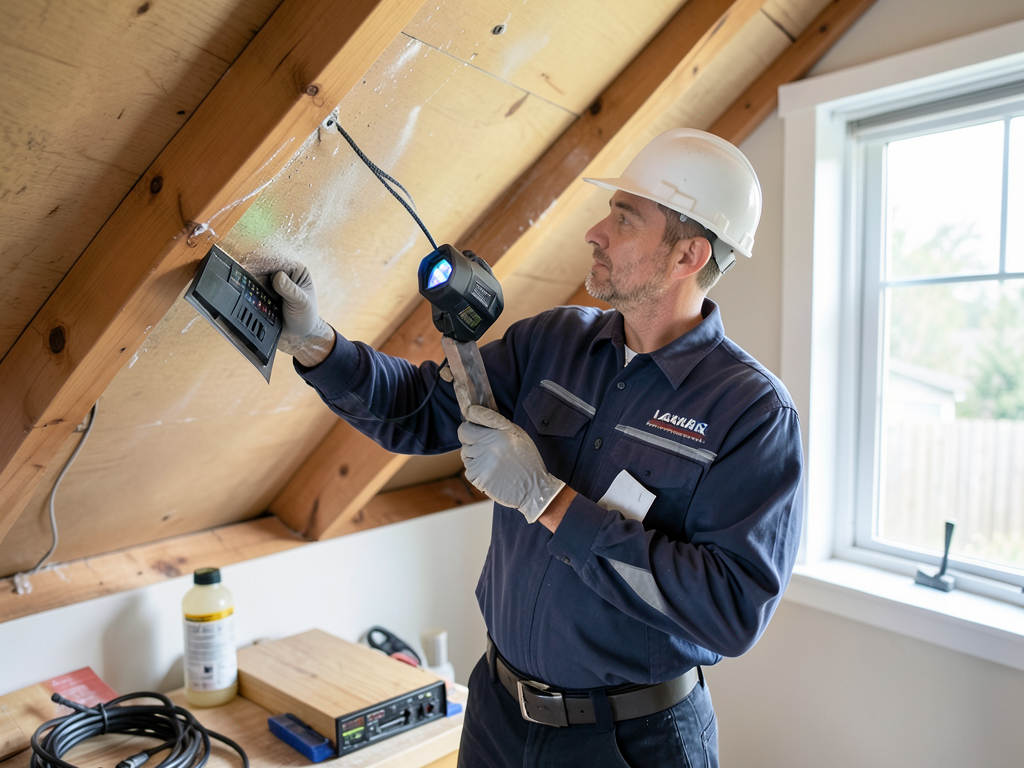
Why High Humidity in Your Lackawanna Attic is a Recipe for Structural Rot High attic…

Protecting Your Home Office Electronics After a Water Leak in Your Snyder Spare Room Water…
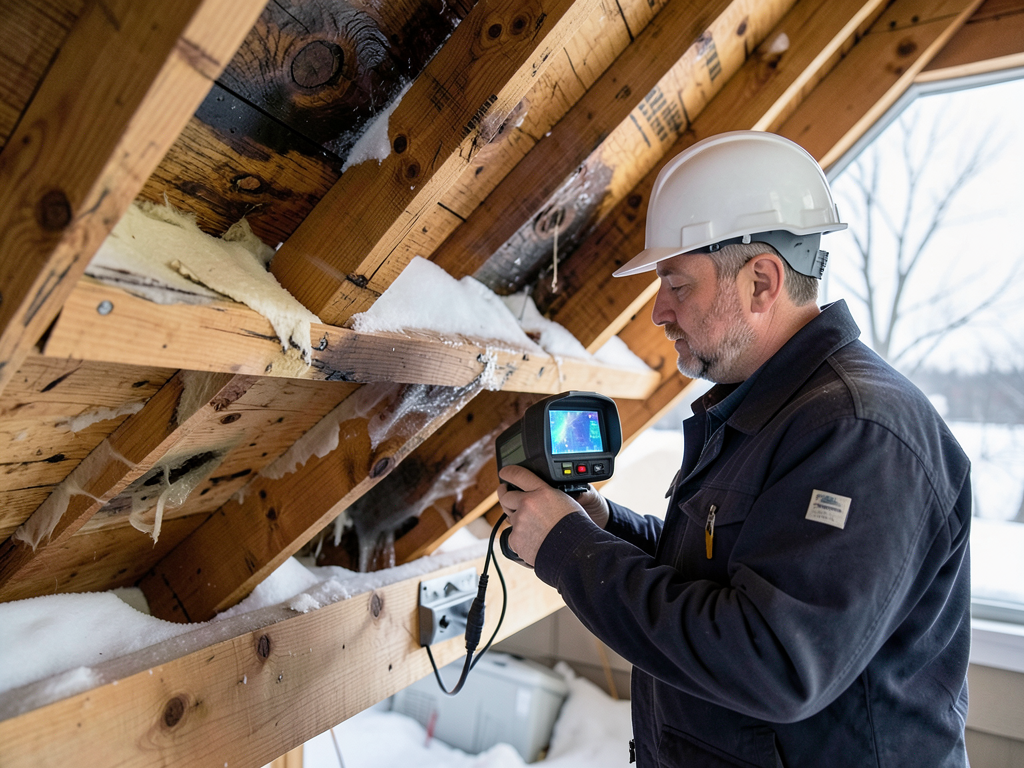
How to Tell if a Small Roof Leak is Actually a Major Mold Risk in…
Water damage spreads every minute. Call Alpha Water Damage Restoration Buffalo now at (716) 317-7717 for immediate dispatch. Our crews are standing by 24 hours a day to stop your water emergency and begin restoration. We work directly with your insurance company and guarantee response within 60 minutes.